
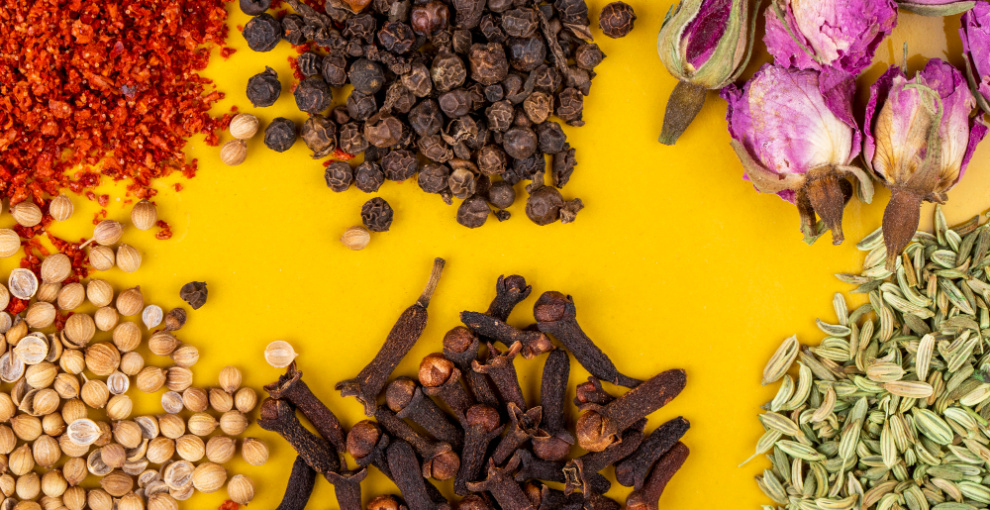
Balinese cuisine is celebrated for its bold flavors and intricate spice blends. But behind the taste lies something deeper: a long history of using spices as medicine. Locals have embraced them not just for food but also for wellness, passing down recipes through generations. Indonesian Food In Ubud shows how spices can transform both your palate and your well-being.
Turmeric for Anti-Inflammation
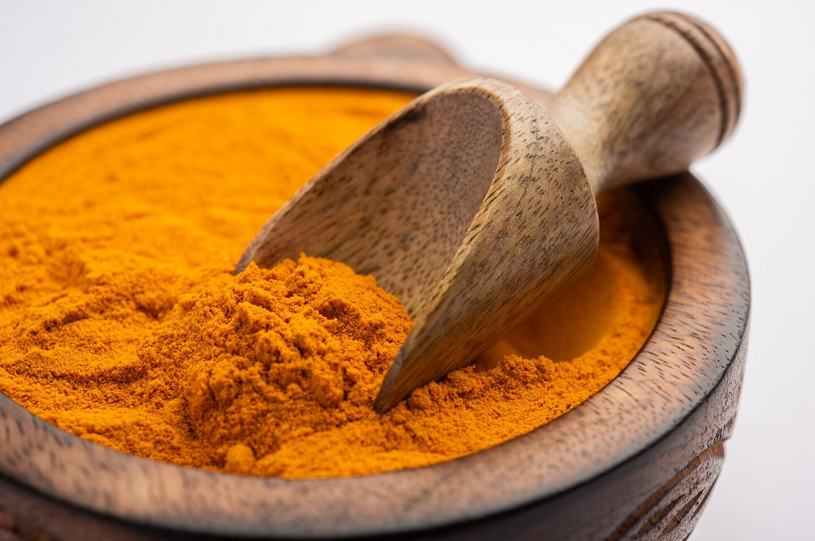
Turmeric is a staple in Balinese cooking, lending both its golden color and potent healing properties. Known for its active compound curcumin, it helps soothe inflammation in the body. For many, it’s a natural alternative to ease joint pain and support overall mobility. Balinese dishes often combine turmeric with coconut milk and spices, creating meals that comfort while nourishing. Adding even a pinch to soups or curries provides long-term benefits beyond flavor. Think of it as seasoning that quietly protects your body in the background.
Ginger for Digestion
Ginger has been used for centuries to calm the stomach and improve digestion. In Bali, it’s often added to teas, soups, and spice pastes that accompany main dishes. Its warming quality makes it especially effective in easing bloating and nausea. Beyond digestion, ginger supports circulation and can help with colds or mild headaches. The simple act of sipping ginger tea after a meal is both soothing and preventive. It’s like giving your digestive system a gentle pat on the back.
Garlic for Immunity
Garlic may seem ordinary, but in Balinese cooking, it’s treated like a quiet powerhouse. Its natural antibacterial and antiviral compounds make it a staple for keeping illness at bay. Many families use garlic daily to help strengthen their immune defenses. The trick lies in how it’s used—lightly crushed or chopped raw garlic holds the most potency. While cooked garlic still has benefits, combining it with other spices in soups or sauces creates a flavorful shield for the body. It’s small, but it packs a punch.
Lemongrass for Stress Relief
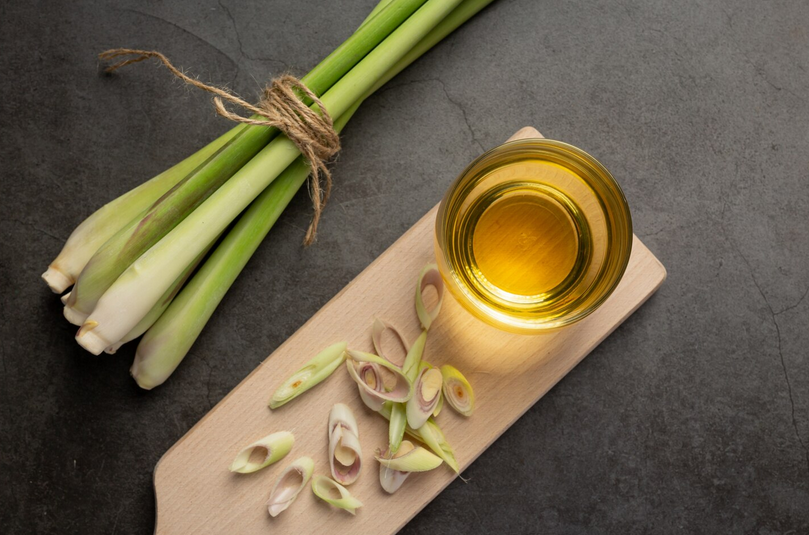
Lemongrass doesn’t just add fragrance to Balinese dishes—it calms the mind. Its citrusy aroma has a soothing effect that helps reduce tension and anxiety. Many people in Bali also brew lemongrass tea for relaxation after a long day. In cooking, it blends beautifully with ginger, turmeric, and chili, creating meals that nourish both body and mood. Even the act of crushing fresh lemongrass before adding it to a dish releases oils that uplift the senses. It’s a simple way to make food feel more like therapy.
Cloves for Respiratory Health
Cloves bring warmth and depth to Balinese spice pastes, but they also help with respiratory issues. Their oils contain compounds that can ease coughing and clear congestion. In traditional remedies, clove tea or oil was often used during cold seasons. Adding cloves to stews, rice dishes, or even desserts brings both flavor and protection. Their aroma alone can feel comforting when breathing feels heavy. In small amounts, cloves become a natural ally for the lungs.
Balinese spices aren’t just flavor carriers—they’re medicine hidden in plain sight. From turmeric easing inflammation to lemongrass calming stress, each spice offers health benefits alongside taste. Everyday cooking in Bali shows that food can heal, one fragrant bite at a time.